
As you know, many machines use hydraulic systems. This system uses hydraulic oil or fluid to help machines work efficiently. Hydraulic hoses transport this oil to components in the hydraulic system. However, people often ask: Can hydraulic hose be used for gasoline and diesel? As you know, hydraulic hoses are specialised to carry high-pressure hydraulic oil.
This leads some to believe these hoses are compatible with gasoline and diesel as well. However, the reality is different: hydraulic hoses are only suitable for hydraulic oil. Using them with gasoline causes problems. In this article, I will discuss everything about the compatibility of hydraulic hoses with gasoline and diesel. So, let’s get started!
What Is a Hydraulic Hose?
Before we go into detail, let’s first understand the basics of hydraulic hoses.
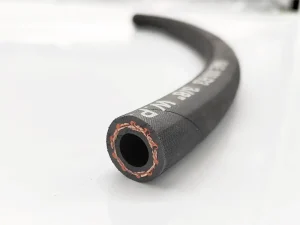
Hydraulic hoses are pipes that are used to carry hydraulic fluid. They consist of three layers. The inner layer remains in contact with hydraulic oil. A reinforcement layer in the middle and an outermost layer provide strength and durability. Reinforced layers make these hoses withstand high pressure. These hoses are typically used in different hydraulic systems.
As mentioned above, hydraulic hoses have a specific layer design. These layers make these hoses strong and able to withstand high-pressure hydraulic systems. The innermost layer, which contacts the oil, is made of synthetic rubber. The most common synthetic rubber used in this layer is NBR (nitrile rubber). In the middle, there are reinforced layers which can be of two materials.
These are either reinforced fabric or steel. The hoses with fabric reinforcement are not suitable for extreme pressure. They perform decently in moderate pressure conditions. On the other hand, hydraulic hoses with steel wire reinforcements are best for high-pressure conditions. The outermost layer protects the hose from UV rays, moisture and other elements.
This outer layer is made of either neoprene or CPE. It is worth noting that the inner layer of the hydraulic hose is most important. Why? That’s because it remains exposed to hydraulic oil. If this layer is weak, it may deteriorate quickly when it comes into contact with hydraulic oil. These hoses are available in different sizes, thicknesses, and diameters. This means customers choose these hoses based on their specific requirements.
Can Hydraulic Hose Be Used for Gasoline?
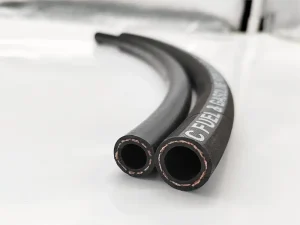
Generally, no, but it depends mainly on the inner-layer material of the hydraulic hose. Hoses with inner layer materials such as EPDM or NR are not resistant to gasoline. However, some hydraulic hoses with NBR inner layers can be used for gasoline. Remember, it mainly depends on the inner layer material of hydraulic hoses.
For example, hoses with EPDM or NR inner layers may face swelling when carrying gasoline. However, hydraulic hoses made of NBR or HNBR can carry gasoline. As I said above, the inner layer of the hydraulic hose is most important. It remains in contact with hydraulic oil. There are different materials used in these layers.
Material compatibility with gasoline determines whether the hose can be used for gasoline. For example, EPDM, NR, and Silicone are not resistant to gasoline. Hydraulic hoses made of these materials may not be suitable for carrying gasoline. Other materials resist both hydraulic oil and gasoline.
These include NBR, HNBR, and PTFE. Hydraulic hoses with an inner layer made of any of these materials can be used to carry gasoline. This means no hydraulic hoses can be universally good or bad for carrying gasoline. Compatibility with gasoline depends on the inner-layer material. Before deciding, you should check the inner layer materials. This will help you decide whether you should use the hydraulic hose for gasoline.
Can Hydraulic Hose Be Used for Diesel?
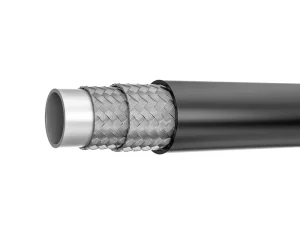
Yes, you can use hydraulic hoses for diesel, depending on their inner-layer material. However, not all hydraulic hoses are suitable for carrying diesel. Whether a hose can carry diesel depends on its inner-layer material. If the inner-layer material resists diesel, the hydraulic hose can be used for it, and vice versa.
Remember, conditions for both gasoline and diesel are almost the same. The inner layer of hydraulic hoses defines their usability for diesel. As I said above, a wide range of materials are available for inner layers. These include NBR, NR, EPDM, HNBR, and more. The hydraulic hoses made of NBR or HNBR are resistant to diesel.
You can also use these hydraulic hoses for diesel; some materials are not suitable for diesel. These include EPDM, NR and more. Do not use hydraulic hoses with inner layers made of these materials for diesel. What happens if you use such hydraulic hoses for diesel? As discussed above, the inner layer remains in contact with the fluid.
Since those materials are not resistant to diesel, diesel will deteriorate the hose’s inner material. As a result, the inner layer may swell, crack, or even get damaged. This can cause leakage and affect the hydraulic hose’s performance. That’s why it is essential to consider the inner layer material of a hydraulic hose before using it for diesel.
Hydraulic Hose vs Fuel Hose
Many believe hydraulic hoses and fuel hoses are the same. However, that’s not true, as each hose type is suited to different fluids. Fuel hoses are best suited for carrying gasoline and diesel. On the other hand, hydraulic hoses are specialised for carrying hydraulic fluids. These hoses are rated for high-pressure conditions.
Hydraulic hoses are made to withstand high-pressure hydraulic oil. As I said above, these hoses are used in hydraulic systems. The system involves transferring highly pressurised oil between different components. Therefore, hoses are made to withstand high pressure. Most hydraulic hoses come with steel wire reinforcement.
This layer ensures these hoses perform excellently under high pressure. However, the fuel hoses are not exposed to high pressure. So they don’t need steel wire reinforcement. Instead, a fabric-reinforced layer is enough for these hoses. Hydraulic hoses have an inner layer resistant only to hydraulic oil. These materials include natural rubber, NBR, EPDM, and more.
However, fuel hose inner layers cannot be made with NR or EPDM. This is because these materials are not resistant to fuel. Instead, these fuel hoses use inner layers made of NBR, HNBR, FKM, PTFE, and so on. If a hose has an inner layer made of NBR, it can be used for both hydraulic oil and fuel. But not all hydraulic hoses come with an inner layer made of NBR. Therefore, you should always choose different hoses for different fluids.
What Happens When You Use the Wrong Hose?
Honestly, I don’t recommend replacing the fuel hose with a hydraulic hose. That’s because both of these hose types have different properties. Hydraulic hoses are designed for hydraulic systems. If you use fuel hoses as hydraulic hoses, they will fail. Below are some consequences you might face when using hoses interchangeably:
-
Inner Tube Swelling
The hydraulic hose inner layer is most important. However, when exposed to fuel (gasoline or diesel), this layer can swell. This is more common when the inner layer is made of a material that isn’t very strong. This swelling can affect hose performance. A swollen inner tube may eventually leak.
-
Cracking
As you know, hydraulic hoses can withstand high hydraulic pressure. However, when you use a fuel hose in a hydraulic system, that pressure can crack the fuel hose. These cracks can damage the hose, especially if the hose is exposed to high pressure for a long time. Additionally, cracks can also cause leakage issues.
-
Fire Hazard
Hydraulic hose inner layers can be made of various materials. If it is made of natural rubber or PTFE, this layer can be very weak. If exposed to gasoline, this inner layer can deteriorate quickly, resulting in gasoline leakage. This leaking gasoline can cause highly flammable vapour. These vapours can create a fire risk.
-
Layer Separation
As I said above, hydraulic hoses are made in different layers. These layers are bonded together to make a strong structure. However, when these hoses are exposed to fuel, they start to get weakened. The layer bonding weakens, resulting in layer-to-layer separation. If this happens, the hydraulic hose loses its pressure-handling capability. As a result, they become unsuitable for most hydraulic systems.
Frequently Asked Questions
Can a hydraulic hose be used for gasoline temporarily?
Yes. However, you should also use hydraulic hoses for gasoline if they have an inner layer made of NBR or PTFE. Such hydraulic hoses offer excellent performance and can be used for gasoline.
Does an oil-resistant hydraulic hose resist gasoline?
It depends on the hydraulic hose’s inner layer. If the inner-layer material resists gasoline, you can use the hose for gasoline. Oil resistance alone is not enough for a hydraulic hose to be used with gasoline.
Can diesel cause a hydraulic hose to swell?
Yes. Some hydraulic hose inner layers are made of weak materials. These materials are sensitive to both diesel and gasoline. When exposed to diesel, this material undergoes a chemical reaction. As a result, they swell, which leads to their deterioration.
Which Hose materials are suitable for gasoline and diesel?
Hydraulic hoses with inner layers made of NBR, PTFE, FKM and CPE are suitable for gasoline. These materials resist both gasoline and diesel. When exposed to fuel, these materials remain in good condition.
Conclusion: Should You Choose Hydraulic Hose for Gasoline and Diesel?
Let’s conclude: I don’t recommend using hydraulic hose for both gasoline and diesel. If you do, you may face complications, as the inner layer may crack, swell, or get damaged. That’s why risking your hydraulic hose may not be worth it. If you have a hydraulic hose with a strong inner layer, you can use it. Some hydraulic hoses come with an inner layer made of NBR or PTFE.
These materials resist gasoline and diesel. Before using it, check the hose’s inner-layer material to avoid complications. You can use these hoses for gasoline, but I still don’t recommend it. Instead, choose a fuel hose for gasoline and diesel. Hydraulic hoses are made to transport pressurised hydraulic oil.