1. Working Principle
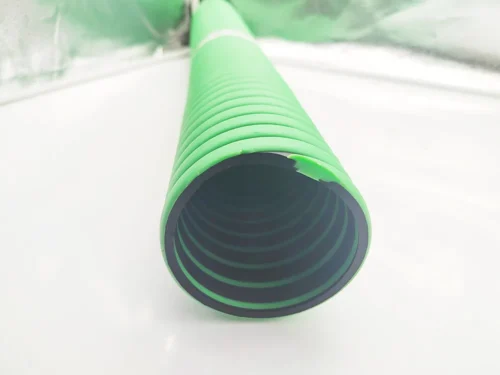
Suction hoses are designed for negative-pressure applications. They can extract liquids, gases, and other media from sources such as water sources and containers, and are widely used in common agricultural and industrial water pumps for water intake.
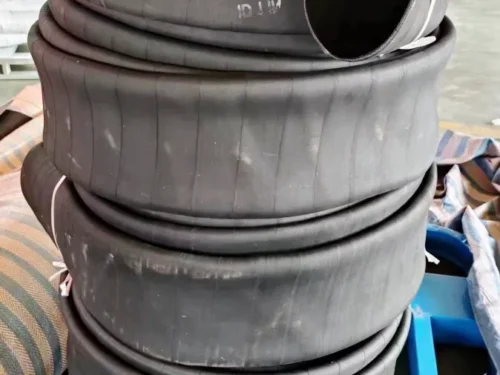
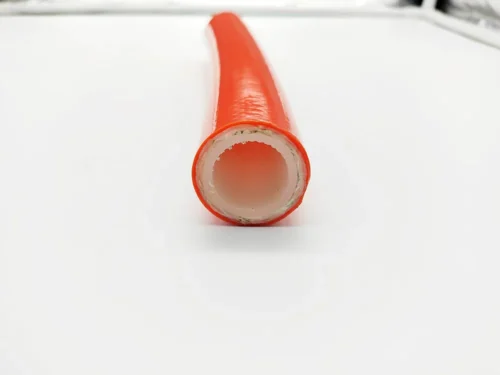
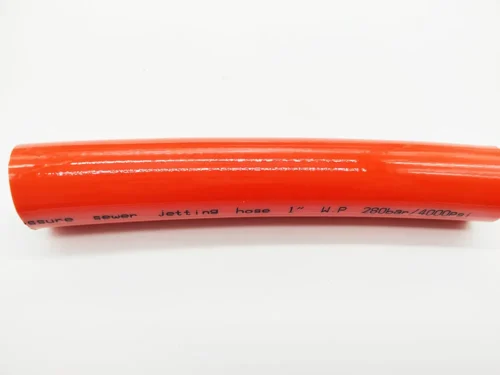
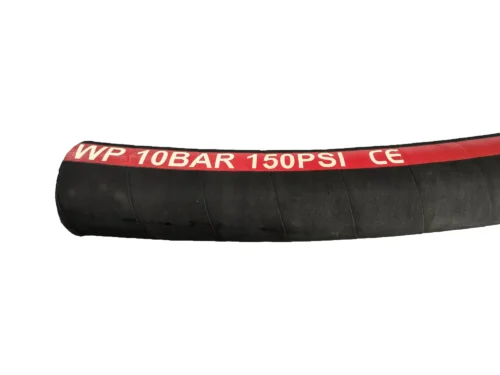
Drain hoses are suitable for positive pressure conditions. They can transport and discharge media such as liquids, gases, and particulate matter to other locations, meeting the needs of high-pressure and long-distance transportation.
2. Structural Differences
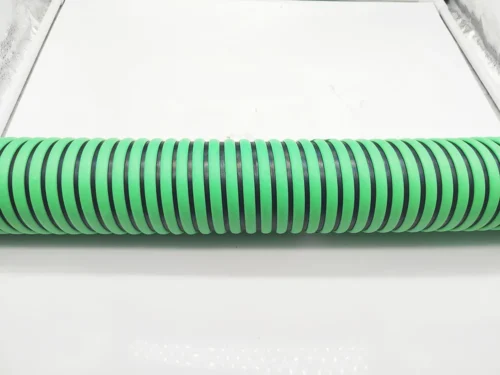
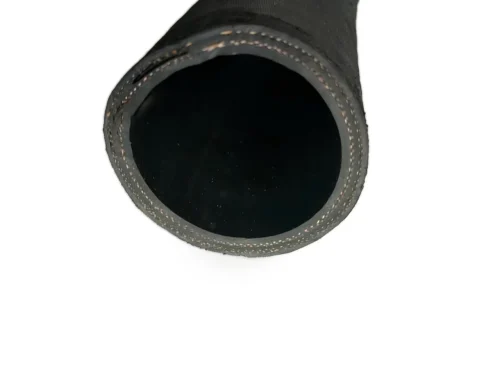
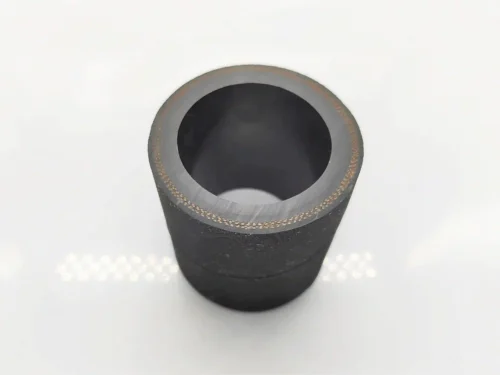
Suction hoses feature an internal spiral steel wire and a thickened braided reinforcement layer. The pipeline remains unobstructed during the pumping of media, making it less prone to collapse.
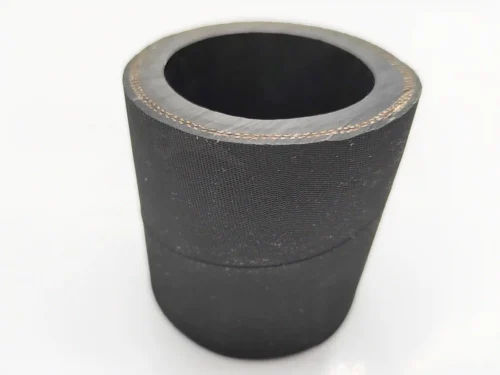
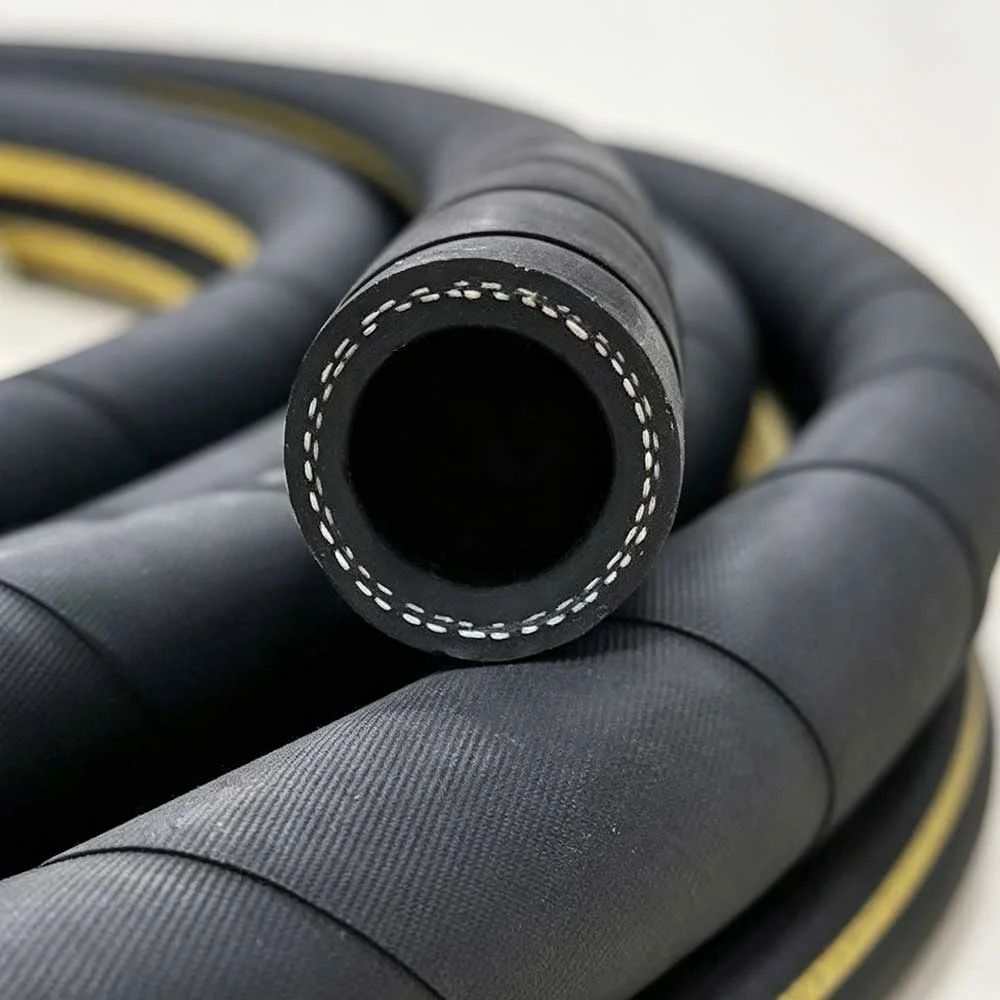
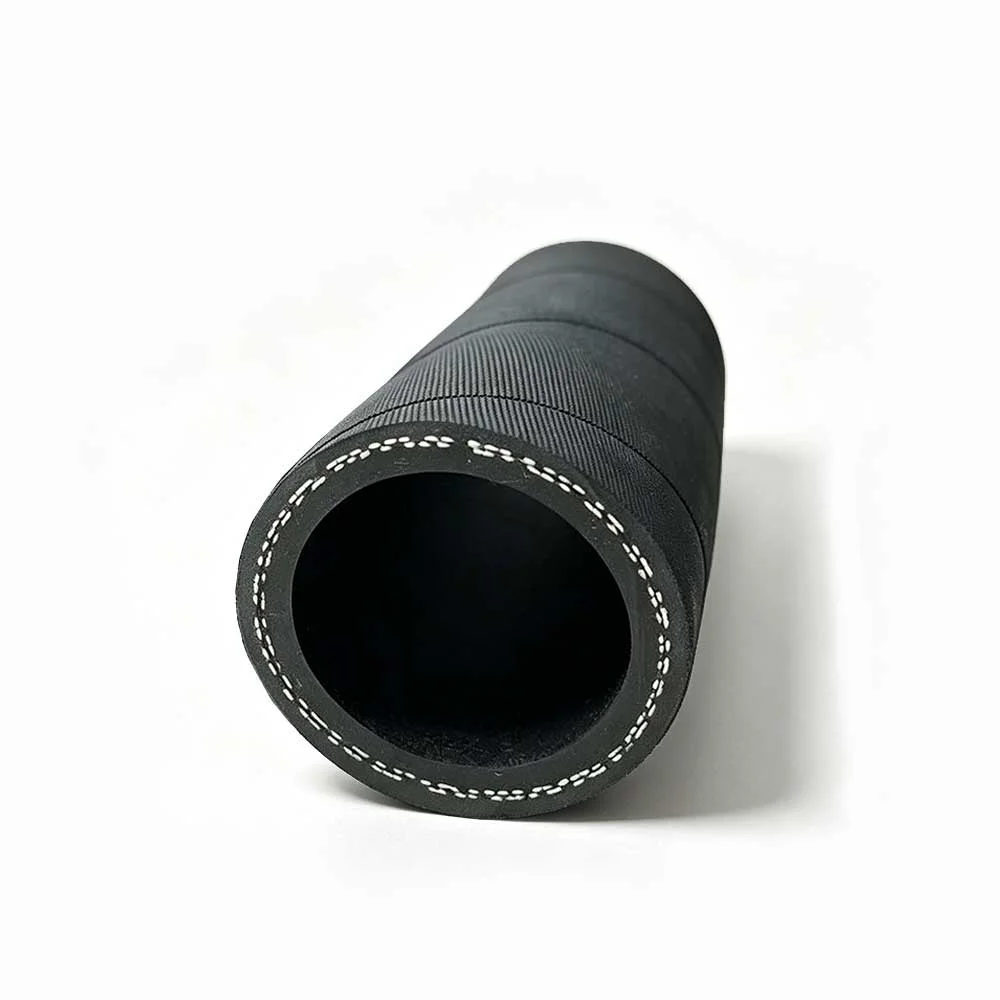
The outer layer of the drainage hose is made of a sturdy and wear-resistant material. It has good pressure resistance and explosion-proof performance, preventing pipe rupture and bursting.
3. Material Differences
Suction hoses typically use composite PVC with a steel wire skeleton, reinforced rubber, or similar materials.
Discharge hoses utilize wear-resistant and corrosion-resistant composite rubber or plastic.
4. Application Scenarios
Suction hoses are suitable for agricultural irrigation intake, chemical vacuum suction, exhaust gas extraction, and similar industries.
Drainage and conveying hoses are suitable for industrial drainage, sewage treatment, oil and gas transportation, and other scenarios.
Rentone can customize various industrial suction and discharge hoses to meet your needs, including hose size, color, structure, and material. Please feel free to contact us if you have any custom procurement needs.