Hoses are the most important components for transporting fluids and gases. There is a wide range of hoses available in the market. Among these, suction and discharge hoses are very popular. However, there are many differences between suction and discharge hoses. They work under different conditions to transport the liquid.
Interestingly, people often compare them and consider them head-to-head competitors. However, that’s wrong, as these hoses offer different roles and fit in different conditions. This means you’ll have to choose both for their specific purpose. In this article, I will discuss all the major differences between these two industrial hoses. So, let’s get started.
Overview of Suction and Discharge Hoses

Before discussing distinctions, let’s first discuss the basics of these two hose types.
Suction and discharge hoses are two types of hoses that help transport liquids. Suction hoses suck and take liquid towards the pump from the reservoir. These hoses undergo negative pressure during operation. In contrast, discharge hoses are connected to the pump outlet. They take the liquid out towards the destination and work under positive pressure.
Suction hoses are connected to the pump inlet. This means they bring liquid from the tank or reservoir to the pump. After that, the pump pushes the liquid outwards through the discharge hoses towards the destination. Suction hoses suck the liquid and pull it inwards towards the pump. In doing so, these hoses experience negative pressure, which increases the risk of collapse.
So manufacturers use high-quality material and helix or spiral reinforcement on them. This reinforcement keeps these hoses in shape even when they work under negative pressure. Simply put, these suction hoses are vacuum-resistant, making them ideal for sucking liquid towards the pump. Even under vacuum conditions, these hoses continue to operate and transport liquid.
On the other hand, discharge hoses are designed to take the liquid away from the pump. They don’t need to be very strong as they work under positive pressure. Additionally, these hoses don’t collapse, which is a significant advantage. Manufacturers use PVC or rubber materials to make them. However, some hoses also come with reinforcement, which makes them highly durable and resistant to high pressure.
Difference Between Suction and Discharge Hoses
As I said above, these two hoses differ in many respects. These differences make them suitable for use in different conditions. Before choosing any of these, it is crucial to understand their differences. In the section below, I will discuss the major distinction between suction and discharge hoses.
1- Conditions & Pressure Type (Vacuum vs Positive Pressure)
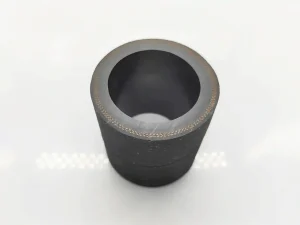
Suction and discharge hoses operate under different conditions and at different pressures. As I said above, the suction hoses create low or negative pressure. This helps pull or force the pressure inwards (towards the pump).
This negative pressure creates a vacuum that can cause the hose to collapse. In contrast, discharge hoses work under positive pressure. The pump pushes the liquid away, which travels through these discharge hoses. Since these hoses are used to discharge the liquid, the pressure inside remains positive. This results in no collapsing issues in these hoses.
2- Function & Flow Direction (Inlet vs. Outlet Pump)
The primary function of both suction and discharge hoses is the same: transporting the liquid. However, these two hoses differ in terms of how they are connected to the pump. The suction hoses are connected to the pump inlet. Their role is to take the liquid from the reservoir or tank to the pump by creating negative pressure.
On the other hand, the discharge hoses are connected to the pump outlet. This is where the liquid leaves the pump and goes towards the destination. These hoses operate under positive pressure, directing the liquid towards the destination. Remember, in any application, these two hoses can be used together to ensure smooth liquid transport.
3- Kinking & Collapse Issues
The suction hoses operate under negative pressure, creating a vacuum inside them. This vacuum makes the hoses kink and collapse even while they are working. That’s a serious concern that is very common in low-quality suction hoses. Modern manufacturers add helix or spiral reinforcement on these hoses.
This reinforcement gives them strength and prevents them from kinking. In contrast, the discharge hoses are not exposed to negative pressure or vacuum. So, they don’t kink or collapse during work. However, if you handle them wrong, they can bend due to their flexibility. When they are working, you don’t need to worry about their kinking.
4- Durability & Maintenance
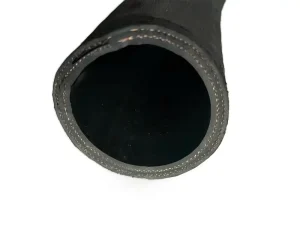
Both of these hoses are excellent for durability. However, the suction hoses stand out primarily due to their reinforcement layer. This reinforcement layer makes them strong and kink-resistant. Most discharge hoses are made of rubber or PVC and lack reinforcement. So the chances of leakage and bursting in such hoses are higher.
However, those discharge hoses with proper reinforcement last longer and are very durable. However, I rate suction hoses slightly higher, as most of them come with reinforcement. Remember, discharge hoses may require regular maintenance due to leakage issues. If you choose a reinforced hose, maintenance needs will be minimal.
5- Construction & Reinforcement
Suction hoses are unique in their construction. As I said above, these hoses work under vacuum conditions. So they must be strong enough to keep their shape and not collapse. So manufacturers make reinforced-layer designs for these hoses. They consist of spiral or helix reinforcement layers. This layer offers strength, allowing these hoses to resist kinking.
In contrast, most of the discharge hoses don’t have helix reinforcement. Instead, they consist of textile braiding, which provides them with some rigidity. Since these hoses don’t experience vacuum conditions, they are well-suited to textile braiding. Remember, some discharge hoses also come with helical steel braiding, which adds even more strength.
6- Material & Portability
Suction hoses are designed to face extreme pressure, right? That’s why they are typically made with heavier and more durable materials. The most common materials used for suction hoses include NBR, TPU, PVC, steel wire (for a helical structure), and synthetic rubber. Remember, PVC suction hoses are only suitable for transporting water.
In contrast, hoses made of NBR material can transport fuel and oil. Suction hoses made of different materials offer unique properties. The discharge hoses are typically made with lightweight materials such as PVC, synthetic rubber, or EPDM rubber. Additionally, they can include textile or nylon reinforcement for added strength. Only premium discharge hoses come with steel wire reinforcement. This steel wire reinforcement makes them exceptionally stronger and more durable.
7- Flexibility & Weight
Suction hoses are heavier and less flexible. Why? The reason is that these hoses consist of a strong reinforcement layer, which makes them stiff. This reinforcement layer also prevents them from kinking or collapsing under negative pressure. However, their heavier materials and reinforcement increase their weight. So carrying and installing these hoses can be a bit more challenging.
On the other hand, discharge hoses are very flexible. They are made with lightweight materials, which makes them flexible. This also improves ease of carrying and installation. Excellent flexibility of discharge hoses also helps you install them in very tight spaces with ease. Installing suction hoses in tight spaces can be very difficult due to their stiffness. If you expose them to load or stress, they can be damaged by stiffness.
8- Cost & Applications
Suction hoses are expensive, which is a significant drawback. However, people have no choice but to buy them, as they can easily handle negative pressure. The reason for their high price lies in their structure, reinforcement, and materials. They come with spiral or helical reinforcement and strong materials. Most manufacturers use abrasion-resistant material in making them.
These durable materials make prices slightly higher but ensure excellent durability. On the other hand, discharge hoses are very affordable, which is very advantageous. That’s because of their simple design and less-strong materials, which are cheap. When it comes to application, suction hoses are used to handle negative pressure. In contrast, discharge hoses are best suited for positive-pressure applications.
Here is the table showing the application comparison of these two hoses:
| Suction Hose Applications | Discharge Hose Applications |
| Pumping from tanks | Water transfer |
| Pond & pool pumping | Irrigation |
| Sump pumping | Dewatering |
| Slurry handling | Drainage |
| Wastewater pumping | Floodwater removal |
| Tanker unloading | Construction pumping |
| Vacuum applications | Industrial fluid transfer |
Frequently Asked Questions
What is the purpose of a suction hose?
The purpose of a suction hose is to draw liquid or gas inwards towards the pump. It does this by creating vacuum (negative pressure) inside the hose. Simply put, this hose sucks the liquid towards the pump.
What happens if you use the wrong hose on a pump?
Using the wrong hose is not a good idea. It can result in collapsing or kinking of hoses. Additionally, hoses can also leak or burst when exposed to unfavorable pressure due to improper use. You should always choose the right hose for your specific pump.
What is a lay-flat discharge hose?
A lay-flat discharge hose is a highly portable type of discharge hose. These hoses are flat when they are not used (unpressurized). When they are used (pressurized), they become round and carry the liquid. Carrying them becomes easier when they are not in use and are flattened.
Conclusion
Let’s conclude – suction and discharge hoses are of utmost importance in modern industries. They play a key role in transporting liquid from the reservoir to the destination. The suction hose keeps the liquid moving towards the pump. In contrast, discharge hoses carry the liquid away from the pump towards the destination. These hoses are used together for smooth liquid transportation but differ in many aspects. In this article, I have discussed their fundamental differences. Understanding these distinctions between suction and discharge helps you choose the right one.